Urban Theatre vs Rural Theatre:
Two Different Worlds, One Art Form
urban & rural
I have always felt that the beauty of Indian theatre lies in its variety. Its like two different worlds existing and falling at the same time and falling in love in our busy cities and town and one in the heart of our villages and township. Even though they look different on the outside and far away, at the end of the day, they are both trying and developing to do the same thing telling us a story that hits home and reminds us the nature of indian art. The City Scene When you think of theatre in the city, you think of auditoriums palace, small black-box studios, and high-tech lights. In my view, urban theatre is where we get to experiment with the modern light now. We talk about things like mental health, identity, and the complicated relationships we have today. Since the audience and propel is used to Netflix and web series, we often use a mix of Hindi and English to keep it relatable. It is fast-paced, visually sharp, and always trying something new with technology and tech experiment. The Heart of the Village On the other hand, rural theatre is where our real roots and culture are shaping our lives. You would not find fancy curtains here instead, shows happen in village squares, temple grounds, or open fields and neighbourhood . Think of forms like Nautanki, Tamasha, or Yakshagana and raamleela. These are not just plays they are celebrations. They use local music, folk dance, and loud, emotional storytelling that everyone can understand and relate. What I love most is the audience they don not just sit and watch. They sing along, shout out, and become part of the show. Even though one uses a LED screen and the other uses a dirt floor to sit and talk, the spirit is exactly the same. Both depend on that raw, live human connection and attachments. Personally, I find it inspiring and connecting to see how these two worlds are starting to blend their own versions. Many city actors are now learning from folk styles to become more grounded and down to earth, while rural performers are starting to pick up modern techniques and styles. At FACES, we believe and feel an actor should understand both the perspective. Whether you are performing under city lights or in a village square or even in just ground, the goal is to be honest and connect with your audience and partners but most importantly is with you.
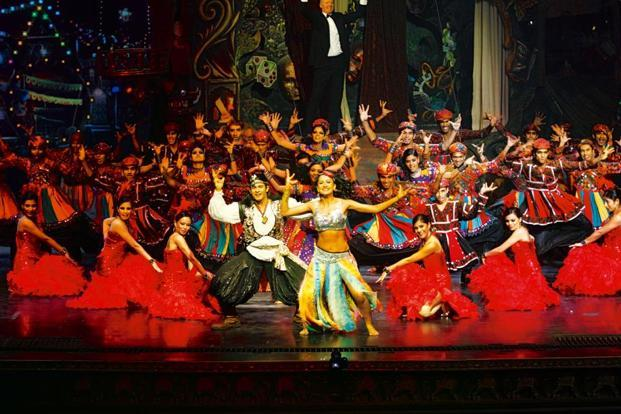
When we talk about urban theatre and this industry, we are talking about the energy of the city that help us grow. You will usually find these plays in auditoriums, small studios, or local cultural centres and palace. To me, the biggest difference is not just the location it is the stories we choose to tell. Urban theatre dives deep into the things we all deal with today our relationships, our identity, and even our mental health. It feels real because it talks about the world we actually live in and nurturing together. What I love about this space is how much we get to experiment and explore this world . We are not just standing on a stage and in play we are playing with modern lighting, digital sounds, and scripts that feel fresh. The audience and people in the city is smart that they watch a lot of Netflix short term movies and international films, so they expect and engage a high level of Kahani , poetry and storytelling. Because of this, urban theatre often uses a mix of Hindi and English and Bengali, using the same kind of modern slang and expressions that the our younger people use every day and month. In my opinion, urban theatre and modern play is the perfect training ground and ambiguous for anyone wanting to get into films or web series. It teaches you how to be subtle, how to work with technology and modern industry, and how to stay grounded in a modern character and expression. It is not just about performing the art it is about connecting with an audience that wants to see their own lives reflected and engaging on the stage. At FACES, we embrace this modern style because it prepares you for the reality of today stage play and creative industry.

Rural Theatre: Tradition, Community, and Living Stories
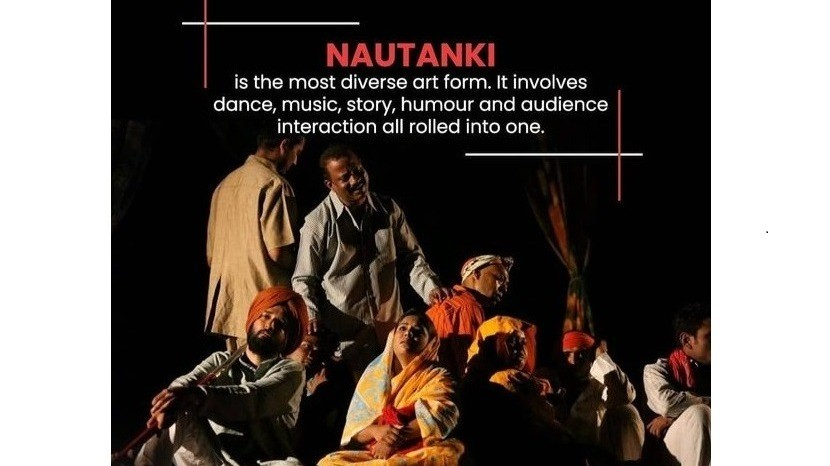
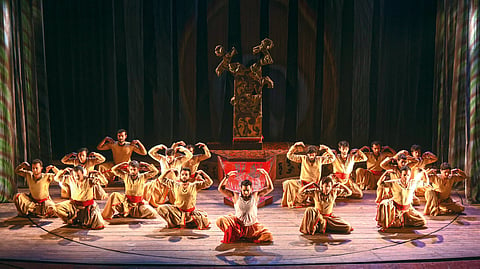
When people think of acting and drama culture, they often imagine it as a big stages and bright lights. But for me, the most powerful theatre in India happens in open fields, grounds, battlefield village squares, and temple grounds. Rural theatre is where our real roots are originating from. It does not rely on expensive technology or fancy sets or sags instead, it survives on pure storytelling, local music, and the energy of the crowd that make them feel special. Stories That Everyone of us Understands and relates Think about forms like Nautanki, Tamasha, Jatra, natya nritya or Yakshagana. These are not just performances or plays they are part of people lives and breath which make them alive. By using local dialects and folk songs, the artists and performers make sure everyone in the village feels connected to the story and with them. Whether they are performing a myth like the Ramlila or a story about a local hero or anything that there grandparents told us as in childhood, the emotions are always loud, clear, and honest with all love collected. More Than Just Entertainment and timepass What I find out truly inspiring is how rural theatre serves as a bigger purpose and view. Its not just for fun and experiment. Its a way to teach people about things that matter like farming, health, or social rights and education. Its the original way to learning by doing. These plays take deep moral lessons and turn them into something visual or real and exciting. The Best Kind of Audience now One of the most beautiful things about these performances and stage plays is that the audience is not just sitting there quietly and arranging their seat. They are part of the show. They clap, they sing along, and they shout out their reactions and comments. There is no fourth wall or paradox here. It is a shared experience where the actor and the viewer are one together. This creates a level of authenticity and realism that is very hard to find in a formal city auditorium or stadium. Learning Through Life and nature Most of these performers or artist did not go to a fancy school. They learned from their families and their neighbours and from grandparents and friends . This hands on tradition and culture of drama is exactly what we value at FACES. the idea that you and us learn acting by living it purposely. Even though these artists have limited resources, their performances have a raw emotion that you just can not fake. In the end of this blog, rural theatre, stage and drama play reminds us that the soul of acting and presenting is not about the building Abd structuring you are in that mature. It is about the people, the traditions, culture and the shared emotions and feeling that we pass down from one generation to the next generation. It is what keeps the spirit of Indian people storytelling alive.
Urban Theatre: Modern Stories on the City Stage
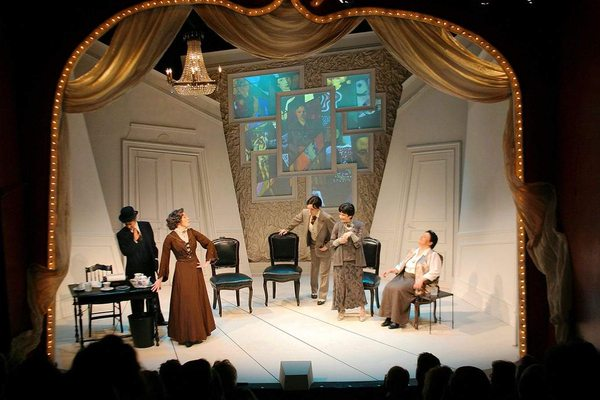
The Urban Stage Acting for Todays World and Audience When we talk about urban and modern theatre, we are talking about the pulse of the city and lights. You would not usually find these shows in open fields and areas they happen in black box studios and inters, intimate auditoriums, and creative cultural centers and places. To me, the urban stage is where we get to be bold and ask the hard questions that matters. Our audience is not just looking for a show but they are looking for a reflection of their own lives and demands. They watch Netflix, social media they follow global trends and tricks, and they want storytelling that feels as fast and complex as city life itself without hesitation. Stories That Hit Close to Home and us In the city, we do not always perform myths or legends or practises. Instead, we dive into the real and realism stuff relationships, mental health, politics, and the pressure of trying to make it worth in a modern world and society. Its about the inner conflict of the individual. I have seen some of the best urban plays grow and nurture out of a simple newspaper headline or a conversation overheard in a café or hotels. Its raw, its experimental and project base, and its very personal. The Craft and the Technique of drama One thing I love about urban theatre is the focus on the how. magical We use minimalistic sets because we want the acting and drama play to do the heavy lifting and weights. We play with dramatic lighting and sound design to create a specific mood and evening of pairs. Even the language is different and unique we often speak a mix of Hindi and English folk language because that is how we actually talk in real and clean life. At FACES, we see urban and modern theatre as the ultimate training ground for artists and actors. It is where you master your voice, your body language, and your emotional range and your expression. For many of us our students and livelihood this is the first step toward a career in films or web series or even in drama. It gives you the confidence and face to stand in front of a camera and deliver a performance without any gigak that feels authentic and alive. Facing the Future of urban theatre Of course, it is not always easy. We are constantly and continuously competing with phones and digital screens, and the financial side of theatre can be tough and hard. But urban modern theatre is stubborn and hard it survives by evolving without any changes. We see more artists using social media to promote their work and collaborating across different platforms to keep the art alive and safe without any extra work. In my opinion, the urban modern theatre is the voice of modern India. it is bold, its questioning, expressing and it is never afraid to try something new. Its where you go to find out who you really are as a performer artist actor.
Come one, Come all
Lets come together to learn and the new age of stage drama and play.
to come up with all Indian traditions
Contact us
- facesthefilmandartschool@gmail.com
- 9748544954