From Natyashastra to Netflix: How Indian Theatre Is Surviving the Digital Age
natyashastra
Indian theatre has a deep history that goes back thousands of years. It has all begins with the Natyashastra an ancient guide and book written by Bharat Muni. This book is important because it explains the basics of everything we do acting, emotions, movement, and music. For a very long time, theatre in India is been a powerful way to tell stories, teach life lessons, and bring people together. At FACES, we build on this tradition to help you become a better performer today and know about the art culture.
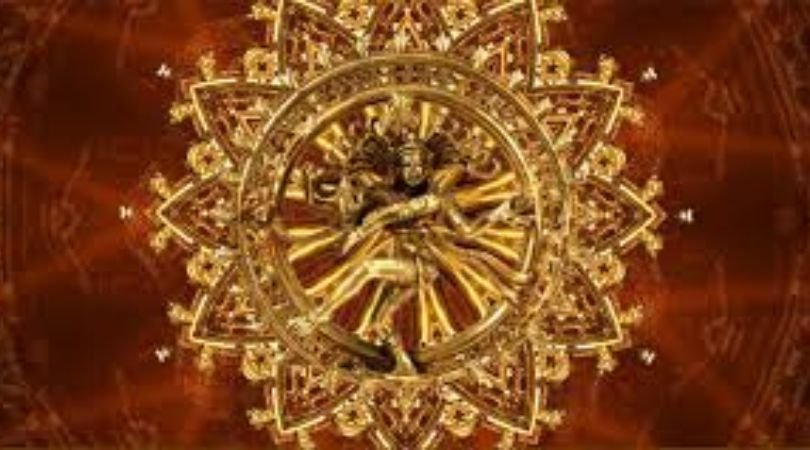
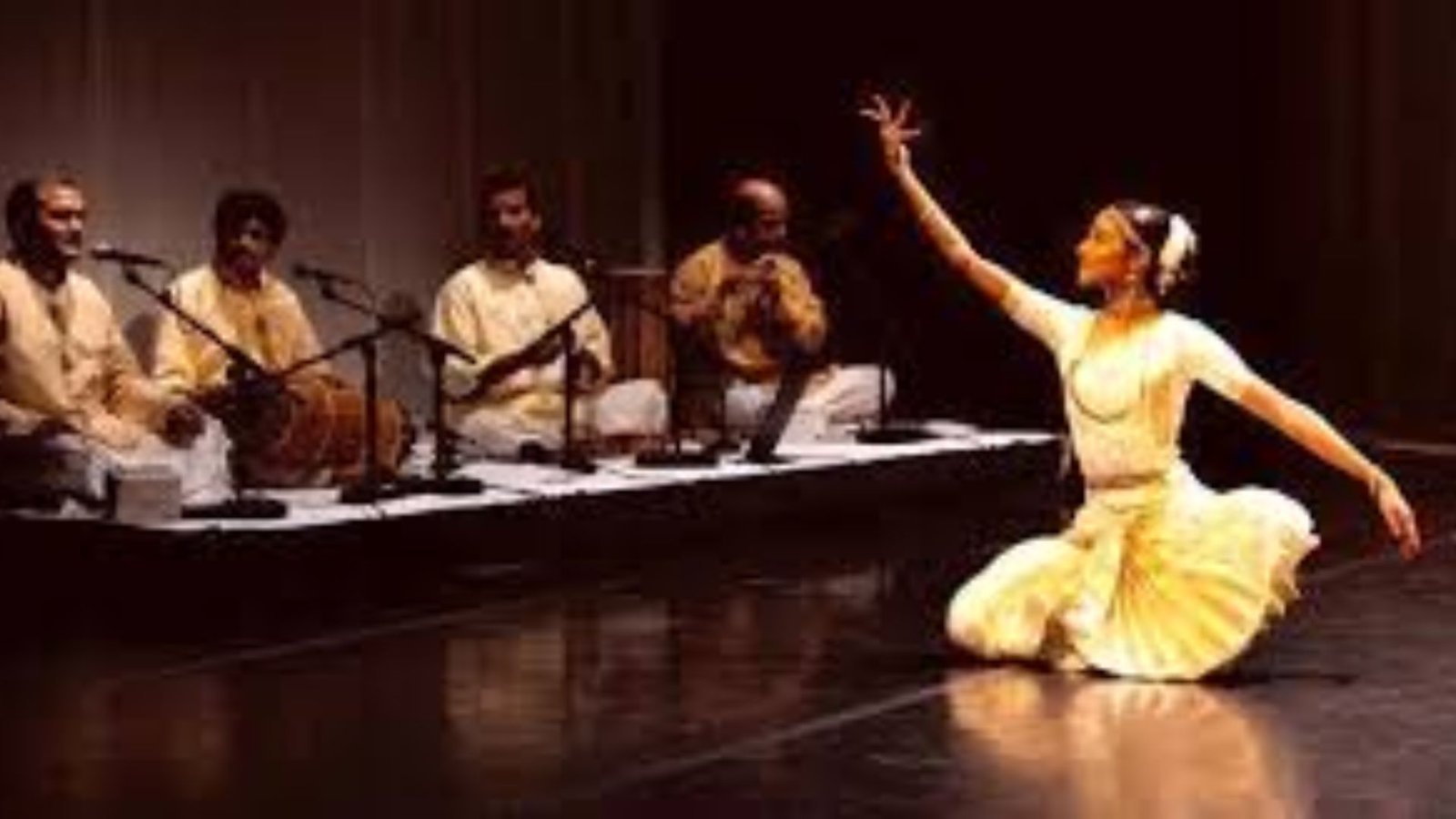
Indian theatre is not just old and ancient it has a history that stretches back thousands of years and years. Everything we do today is still connected to the Natyashastra, that incredible guide and book novel written by Bharat Muni. this book taught taught us that acting, music, and movement and balancing are all one. For generations, this art form has been our way of sharing culture and bringing people together to learn about life. Of course, the world looks different now. We live in a digital age where Netflix, YouTube, and phones are where most people go to find stories either of reading books and getting knowledge from it. While this makes things a bit tougher for live theatre, it has not slowed us down. It is actually pushed us to grow and leave our favourite hobby. Today the artists are getting creative with technology. Theatre groups are using Instagram reels and YouTube to find a new, younger audience that might not have walked into an auditorium before. Even our training at FACES has evolved. While we stay true to the classical roots, we also prepare you for the camera and the microphone. We know that if you have a solid foundation in theatre, you can succeed anywhere—from a local stage to a global web series. We are also seeing hybrid theatre take off. This is where live acting meets digital projections and high tech sound, making the experience feel fresh and modern. The truth is, Indian theatre is not fighting against technology we are actually moving with it. From the ancient lessons of the Natyashastra to the tiny screens and i pads in our pockets and bags, the soul of storytelling stays the same the grandparents story and the way recite the poems and Kahani. At FACES, we believe the future is about keeping our traditions alive and in touch while using new tools to make sure our stories never stop being heard.
The Natyashastra and the Traditional Roots of Indian Theatre
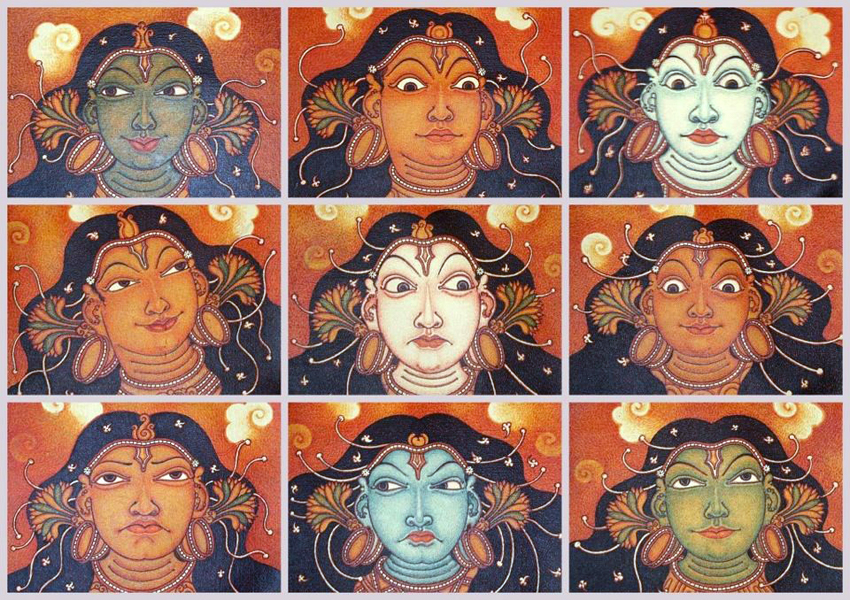
When we talk about Indian theatre, we aren't just talking about a hobby or competition we are looking at a history that goes back thousands of years. Personally, I believe the real foundation of everything we do as actors comes from the Natyashastra. Written by Bharat Muni, this was not just some old textbook or old creation. To me, it feels more like the ultimate blue map for the stage. It covers it all how we move our bodies, how we use our voices, nail to toe and even how a stage should be set up. What I find most interesting is how theatre used to be the heartbeat of the community. It was not hidden away in expensive halls it happened in temples, village squares, and under the stars during festivals. It was a way for people to learn about life through the great epics like the Ramayana and Mahabharata. It taught us about right and wrong while keeping us entertained. One thing we really focus on at FACES is the concept of Rasa. This is probably the greatest gift Bharat Muni gave us. It is the idea that acting is not just about the person on stage or playing a stage play it is about the person in the audience and family. Whether it is joy, fear, or sadness, the real magic happens when the actor can make the audience feel that same emotion and behaviour and space. You can see this clearly in our traditional forms like Kathakali or Yakshagana, Jutra and Ranielle where every single look and gesture has a deep meaning and understanding and full of love. I truly believe that being an actor is a lifelong journey and habit. In the old days, performers trained for years to master their expressions and their voices and faces. It was seen as a sacred art, and I think we should still treat it that way. Even though we live in a world of quick videos and digital screens, tabloids, kindle, these ancient principles are still the best foundation. At the end of the day, Indian theatre is more than just a show it is our heritage and culture, and it is what gives our modern stories their soul.
Indian Theatre in the Digital Age: Adapting to Screens and Technology
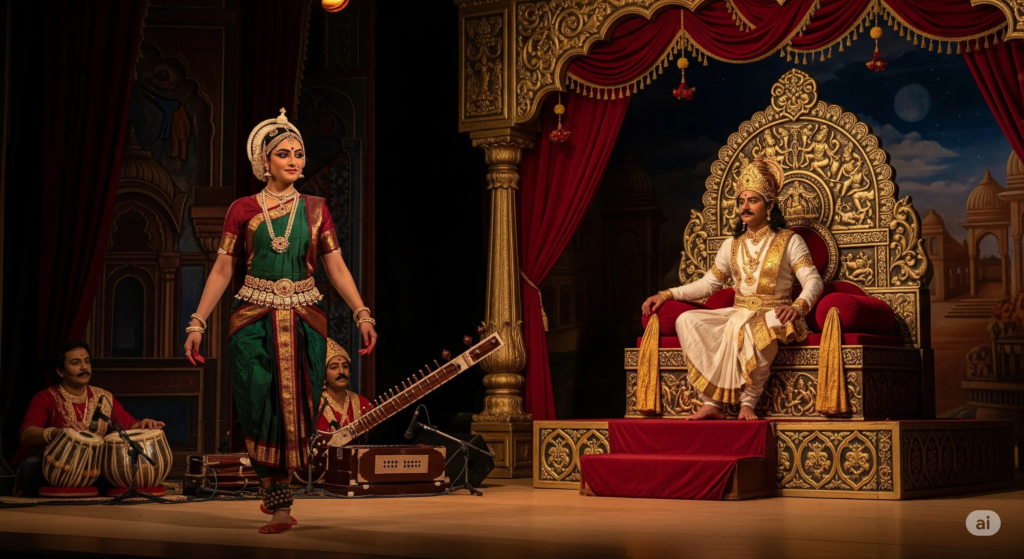
Let us be real the digital world has changed everything for us and everyone. With Netflix, YouTube, and Amazon Prime just a click away, most people would rather stay on their couch than head to a theatre everyone wants to be in their comfort zone. I have had seen how hard this has been for many groups it is a struggle to fill seats when everyone is glued to their phones and social media. But I do not see this as the end of indian theatre or culture. I see it as a new beginning and coming of the new age ideas. Indian theatre is not disappearing or vanishing it is just moving into a new phase. We are finally using these digital tools to our advantage and in daily life routine. Instead of waiting for people to come to us, we are going to them and reciting our stories and way of expression. Artists are now streaming plays online and using Instagram or YouTube to share their work with the world even every corner. It is actually pretty exciting because it means someone thousands of miles away can watch a performance that used to be limited to a small room and space. At FACES, we have shifted how we think about training. Yes, we still live by the Natyashastra and those classical roots that is given to us by our ancestors, but we also know that today’s actor has to be ready for the lens. You have to understand how to act for a camera, how to handle a mic, and how to keep that touch of stage and screen The truth is, some of the best actors on OTT platforms today started in theatre. It is the best foundation you can have, no matter where you end up. We are also seeing digital theatre take off. It is amazing to see live actors working alongside digital projections and modern sound design. It makes the show feel more alive and cinematic for a modern audience. It is not about replacing the human connection and meetings it is about making that connection even stronger with technology, customs , beliefs, traditional and new era of digitalization of theatre programme. Plus, with things like online workshops and virtual rehearsals and practise, we can now collaborate with artists from all over the world without leaving our studio and place. In my opinion, theatre is not dying it is just evolving in new era. We are not running away from technology we are embracing it from the roots. From the ancient wisdom of Bharat Muni to the modern screens of Netflix, the soul of acting stays the same. The secret to the future is simple keep our traditions close and comfortable to us, but do not be afraid to try something new and adapt the form of culture. That is how we keep storytelling alive in a digital age.
Come one, Come all
Lets come together to learn and the new age of stage drama and play.
to come up with all Indian traditions
Contact us
- facesthefilmandartschool@gmail.com
- 9748544954